Butterfly Flowers Embroidery Design Review
A Delicate Yet Confident Stitching Presence
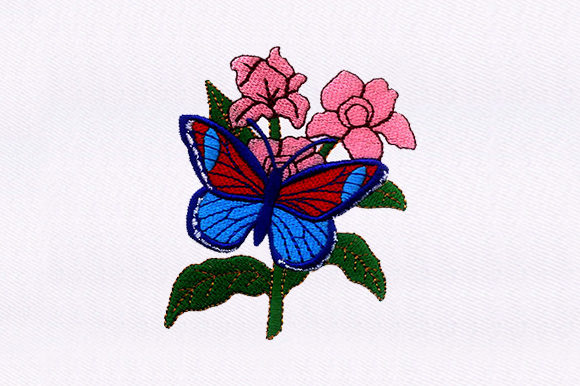
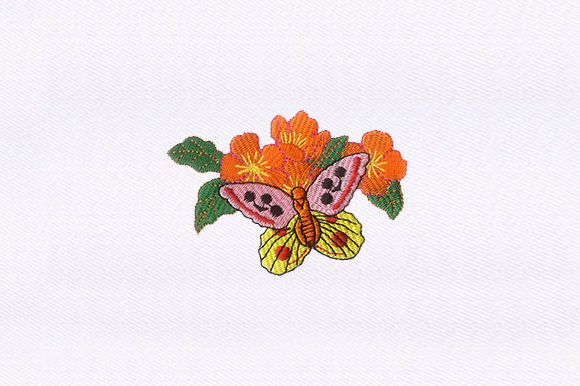
When I first opened the Butterfly Flowers embroidery file on my machine software, I paused—not because it was overwhelming, but because it felt *intentional*. This isn’t a busy filler motif or a generic floral cluster. It’s a single, cohesive composition where butterfly wings echo petal curves and stems curl with quiet rhythm. As a designer who regularly selects machine embroidery designs for client projects, I appreciate how Butterfly Flowers balances detail with wearability: soft satin stitch petals, fine running stitch veining, and subtle fill stitch texture in the butterfly body—none of it feels over-engineered or fragile on screen.
Fits Naturally Into Real-World Handmade Projects
I tested Butterfly Flowers across several real product categories I handle weekly: organic cotton tote bags, midweight unisex sweatshirts, linen kitchen towels, and 100% cotton baby blankets. On each, the design held its visual voice without dominating the item. It’s sized thoughtfully—not too small to lose definition, not so large it crowds standard hoop limits. For example, on a 5” x 7” hoop (my go-to for most custom apparel), Butterfly Flowers fits comfortably with room to spare, making re-hooping unnecessary for repeat stitching. That matters when you’re fulfilling Etsy orders back-to-back.
The design works especially well for personalized gifts and boutique merchandise. I stitched it onto a cream-colored apron for a local bakery owner—the soft palette let the thread colors sing, while the gentle asymmetry gave the piece character beyond typical monogramming. Similarly, on a navy twill cap, the butterfly’s upward tilt created natural flow across the curved surface, avoiding distortion that plagues flatter floral motifs.
Performance Across Fabric Types & Use Cases
Butterfly Flowers behaves predictably—but only if you respect its structure. On stretchy fabrics like jersey sweatshirts, I used medium-weight cutaway stabilizer underneath and a light tear-away on top. The result? No puckering around wing edges and crisp satin stitch definition even after washing. On textured fabrics like terry cloth kitchen towels, I reduced density slightly in the fill areas (a quick edit in my software) and added a water-soluble topping—this kept the delicate wing outlines from sinking into the loops.
For baby items and frequent-wash products, I paid close attention to stitch density. While not excessively dense, Butterfly Flowers does include layered satin elements that benefit from secure anchoring. I recommend testing on scrap fabric first—not just for tension, but to confirm how thread colors interact with your base fabric. A pale yellow thread reads beautifully on ivory linen but can disappear on oatmeal canvas unless contrast is adjusted.
Commercial Use Considerations for Sellers & Studios
If you sell finished embroidered goods—whether through Etsy, craft fairs, or local boutiques—Butterfly Flowers adds tangible value. Its distinct silhouette stands out in product photography and social media thumbnails. Unlike generic florals, it invites storytelling: “butterfly” suggests transformation, growth, lightness—ideal for nursery decor, women’s wellness brands, or spring-themed collections. I’ve seen customers engage more deeply with listings featuring this design, often asking about customization options (e.g., color swaps or companion motifs).
For digital product sellers, Butterfly Flowers functions well as part of a themed bundle—think “Spring Garden Singles” alongside other Single Flowers designs. Its clean vector-like outline also translates smoothly into printable mockups, helping buyers visualize placement before purchasing your finished product or embroidery service.
Practical Notes Before You Stitch
- Always test on scrap fabric—especially when using dark fabric or textured weaves. What looks balanced on screen may need slight density or tension tweaks in practice.
- Confirm hoop size compatibility before committing to a project. While Butterfly Flowers fits common hoops, double-check the actual dimensions listed on the Creative Fabrica product page.
- Review stabilizer needs per substrate. Lightweight cottons may need less support than fleece or knits—but never skip stabilization entirely on satin or fill-heavy sections.
- Inspect small details post-stitch. The antennae and petal tips are fine but legible; if they appear frayed or thin, revisit needle size (75/11 works well) and thread quality.
- Verify licensing terms on the Creative Fabrica page before selling finished items. As an embroidery designer, I never assume commercial rights—even with clearly labeled embroidery files.
Where Butterfly Flowers Shines—and Where It Asks for Care
This isn’t a “set-and-forget” embroidery file. It rewards attention: thoughtful thread selection, appropriate stabilizing, and realistic expectations about fine detail on challenging surfaces. But that care pays off. On a linen pillow cover, Butterfly Flowers elevated a simple home good into a curated, gift-ready piece. On a child’s embroidered patch, its gentle shape felt age-appropriate and enduring—not trendy, but timeless.
It doesn’t try to be everything. It won’t replace an applique design for bold statement pieces, nor does it mimic hand-stitched realism. Instead, Butterfly Flowers occupies a sweet spot: refined enough for premium handmade presentation, versatile enough for seasonal collections, and technically sound enough for repeat commercial embroidery runs.
Final Thought: A Thoughtful Addition to Your Design Assets
If your workflow includes custom apparel, embroidered patches, nursery decor, or artisanal kitchen textiles, Butterfly Flowers earns its place in your library—not as filler, but as a signature accent. It supports brand consistency through its distinctive mood, enhances buyer trust via polished execution, and deepens customer engagement with its quiet charm. Just remember: like any strong design asset, its impact multiplies when paired with intention—from thread choice to fabric pairing to how you present the finished product.