Paper Flowers Design: A Thoughtful Embroidery Choice for Meaningful Gifts
As an embroidery designer who’s developed hundreds of machine embroidery designs for baby boutiques, wedding studios, and Etsy shops over the past 12 years, I approach every new file with two questions: Will it translate beautifully on real fabric? and Will it resonate emotionally with the person receiving it? When I first opened the Paper Flowers Design, I felt an immediate sense of calm—soft curves, balanced negative space, and a gentle rhythm that reads as both timeless and tender. It’s not fussy or overly detailed, yet it carries unmistakable handmade charm. This isn’t a trendy clipart flower; it’s a quiet, intentional motif that whispers “carefully made,” not “mass-produced.” That emotional tone is exactly what makes it shine as a personalized gift.
Where Paper Flowers Design Truly Blooms
This design excels where sentiment meets simplicity. Picture it stitched onto a 100% cotton baby blanket—soft, breathable, and heirloom-ready. The clean lines hold up beautifully at 3.5–4 inches wide, making it ideal for corner placement or centered above a monogram. As a wedding gift, it elevates a linen pillow cover or embroidered handkerchief with quiet elegance—not bridal bling, but something a couple might tuck into their memory box years later. For nursery decor, it pairs effortlessly with neutral palettes and natural textures: think muslin wall hangings, organic-cotton crib sheets, or even a minimalist apron for the new parent who bakes to unwind.
Small shop owners will appreciate how Paper Flowers Design supports storytelling in product photography. On a cream-colored kitchen towel? It feels warm and inviting. On a charcoal tote bag? It adds contrast without shouting. On a light-wash denim pillow cover? It grounds the piece with soft sophistication. Because the motif avoids tight clusters or micro-details, it photographs well—even under natural light—and scales gracefully across multiple product types: embroidered towels, pillow covers, blanket embroidery, custom totes, and even aprons for artisanal bakeries or craft fair booths.
Smart Placement Matters—Here’s Where to Pause
Like any thoughtful machine embroidery design, Paper Flowers Design has sweet spots—and boundaries. Its graceful silhouette works best on stable, medium-weight fabrics. Avoid using it on highly textured terry cloth (think thick bath towels), where stitch definition can blur. Similarly, skip stretchy knit baby onesies unless you’re using lightweight cutaway stabilizer and reducing stitch density manually—the delicate petal outlines may pucker or distort.
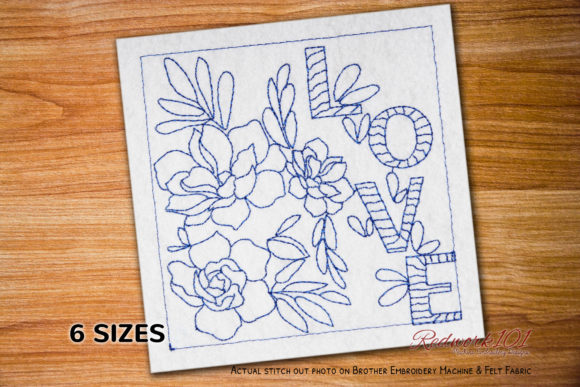
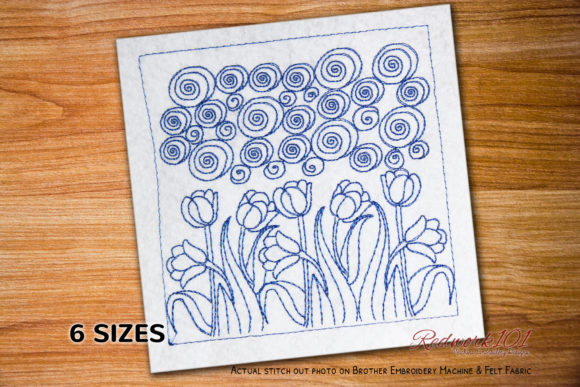
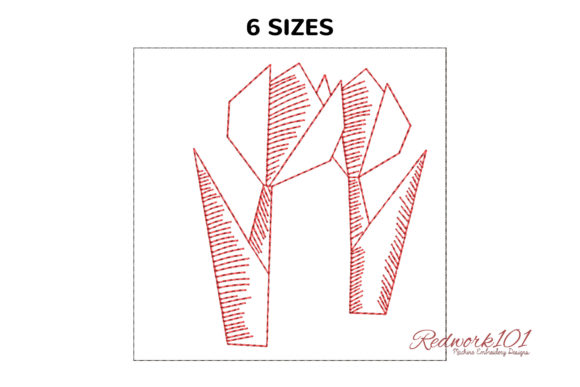
Be especially mindful on dark fabric. While the design itself doesn’t rely on tiny lettering or fine interior stitching, thread color contrast becomes critical. A pale peach or ivory thread on navy or charcoal can disappear unless you test first. And while the outer box stitch shown in the preview image is optional—and often used to frame the motif cleanly—remember: if your customer requests no border, you can skip that color entirely. Just confirm with your embroidery software that disabling that layer won’t affect alignment or registration.
Why Customers Trust What They Can Feel
Gift buyers don’t just purchase thread and fabric—they buy meaning, care, and intention. Paper Flowers Design supports that trust because it looks handmade without looking fragile. It doesn’t scream “digital file”—it reads as if drawn by hand and stitched slowly, deliberately. That perception lifts perceived value instantly. A customer paying $48 for a personalized towel with this design doesn’t see a generic floral; they see a keepsake. That emotional connection drives repeat orders, heartfelt reviews, and word-of-mouth referrals—especially among Etsy sellers and small shop owners building loyal followings.
For wedding gift designers, it’s also a subtle differentiator. Instead of another monogrammed script, you offer something quietly poetic—a symbol of resilience, beauty in impermanence, and handmade care. That nuance shows up in buyer engagement: longer site dwell time, saved listings, and messages like *“Can this go on a quilt square for our baby’s birth year?”*
Practical Embroidery Notes You’ll Want to Follow
Before stitching your first customer order, run these checks:
- Test on scrap fabric—especially if using linen, terry, or blends. Note how petals lay flat and whether edges feather.
- Confirm thread color contrast on both light and dark mockups. Print a printable mockup side-by-side to compare.
- Review hoop size requirements. Even if the design fits comfortably in a 4x4 hoop, double-check registration points if nesting with text or other elements.
- Assess stitch density. If your machine struggles with dense fills or if the design includes satin-stitched centers, consider lightening density by 5–10% for delicate fabrics.
- Choose stabilizer wisely: tear-away for stable wovens, cutaway for knits or high-wear items like totes and aprons.
- Check small details post-stitch: gently press (no steam) and inspect petal tips and stem connections for stray threads or skipped stitches.
- Verify commercial licensing before selling finished products. Since this is a digital embroidery file, confirm whether resale rights are included—or if you need separate permission for your small shop product.
Remember: the “Box Stitch” framing element is optional and often used to define placement—but it’s not structural. If your project calls for a softer edge (like on a baby blanket), feel free to omit it entirely. Just ensure your software correctly disables that color layer before sending to the machine.
A Design That Grows With Your Business
Whether you're an Etsy seller launching your first embroidery collection, a boutique owner curating wedding keepsakes, or a baby product creator stitching custom milestone blankets, Paper Flowers Design adapts. It’s versatile enough for seasonal updates (add a sprig of greenery for spring, soft gold thread for holiday gifting), yet classic enough to remain relevant year after year. It bridges Sewing and Embroidery worlds seamlessly—ideal for hybrid makers who sew + embroider, or digital product sellers bundling files with printable guides.
In short: this isn’t just another embroidery file. It’s a thoughtful tool for building connection—one personalized gift at a time.